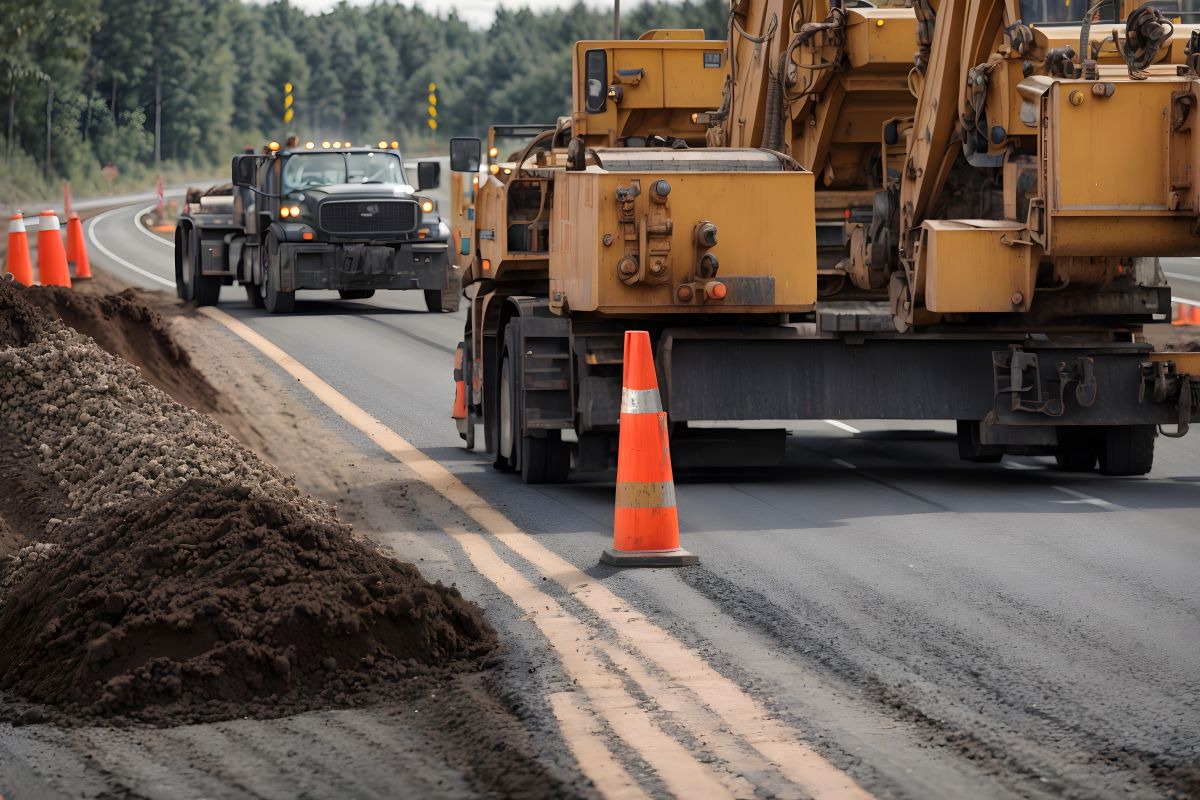
Culvert & Retention Installations — Storm-Ready Access and Reliable Peak-Flow Control
Purpose-built stormwater systems that protect driveways, roads, pads, and foundations
When heavy rain hits, improperly managed water will take the shortest path—often straight across your driveway, undercutting edges, washing out gravel, and flooding low areas. Mr. G’s designs and installs culverts, cross-drains, inlets, basins, and retention/detention features that keep access open, protect structures, and move peak flows to stable, compliant outlets. From a single driveway culvert to a property-wide retention system with multiple inlets and overflow protection, we size components to real-world conditions and install them with the bedding, cover, and outlet armoring required for long service life.
What our culvert & retention work includes
- Driveway & private-road culverts: HDPE or CMP culverts sized to watershed and ditch geometry, set to grade with correct bedding and compacted cover.
- Cross-drains & equalizer pipes: Transfer flow between ditches or across low points to prevent overtopping and rutting.
- Inlets & catch basins: Surface collection points (area drains, curb inlets, yard basins) tied to pipe networks for localized ponding control.
- Retention & detention basins: Engineered volume to slow, store, and release stormwater; includes forebays, outlet control, and emergency spillways.
- Outlet protection: Riprap aprons, energy dissipators, or level spreaders sized to velocity so discharges don’t scour downstream soils.
- Ditch shaping & stabilization: Regrade ditches to stable side slopes, add rock checks where needed, and seed/blanket disturbed soils.
- Culvert rehab & upsizing: Replace crushed, undersized, or high-invert pipes; reset to correct slope and add headwalls/wingwalls if specified.
- System tie-ins: Integrate downspouts, French drains, and sump discharges into stable daylights or approved storm facilities.
Why culvert and basin projects succeed—or fail
Most failures trace back to three errors: (1) undersized pipes that choke during peak flow, (2) improper installation—no bedding, inadequate cover, or poor compaction—and (3) unprotected outlets that blast water into bare soil. We prevent these by matching diameter to flow, setting true slope (not just “close enough”), compacting backfill in controlled lifts, and finishing with riprap or energy dissipation at outlets. For basins, performance depends on real volume, stable embankments, a serviceable outlet structure, and a safe emergency spillway that handles overflow without erosion.
Our step-by-step installation process
- Site assessment & hydrology check
We walk the site, map contributing area and flow paths, inspect existing ditches and low points, and note roadway elevations and utilities. For replacement jobs, we document why the current culvert or basin fails (deformation, sediment load, invert too high/low, inadequate capacity). - Sizing & design alignment
We right-size culverts and basins to expected flows and your goals (keep access open, prevent yard flooding, protect the pad). We set proposed inverts, slopes, cover, and outlet treatments; for basins, we outline storage volume, principal outlet, and emergency spillway. - Access, protection & erosion controls
Stabilized construction entrance, silt controls, and ground protection mats as needed. We mark utilities and set safe work limits. - Excavation, bedding & pipe set
Excavate trench or road cut to grade. Place bedding stone, set pipe true to slope (laser-verified), and join sections per manufacturer spec. - Backfill & compaction
Backfill evenly on both sides in thin lifts, compact to spec, and maintain required minimum cover under drives and roads. - Headwalls, aprons & structures
Install headwalls/wingwalls if specified; set inlets/catch basins with concrete collars where traffic or settlement is a concern. - Outlet protection & ditch shaping
Place riprap over geotextile or add an energy dissipator at outlets; cut and dress ditches to stable slopes with rock checks where needed. - Basin construction (if applicable)
Excavate to plan; shape forebay; construct embankment in compacted lifts; install outlet control (orifice/standpipe) and armored spillway; stabilize side slopes with seed/blankets. - Finish grade, stabilization & cleanup
Blend transitions, seed/mulch disturbed areas, and clean haul routes. Provide photo documentation and maintenance guidance.
Materials and methods selected for durability
- HDPE corrugated or CMP culverts matched to load and chemistry; PVC/SDR-35 for gravity storm lines and yard drains.
- Bedding with clean stone and non-woven geotextile separation where soils are soft.
- Riprap outlet protection sized to velocity; TRMs/blankets on steeper slopes.
- Concrete or polymer basins with bolt-down grates in traffic areas.
- Compaction in controlled lifts to protect roads from settlement over pipes.
Common problems we solve
- Driveways that wash out or plug because the culvert is undersized or set flat/back-pitched.
- Yards that pond after every storm because surface grades, inlets, or outlet paths are wrong.
- Private roads losing their edge due to unarmored outlets or no ditch conveyance.
- Old metal culverts that are rusted, collapsed, or joint-separated, causing sinkholes.
- Basins that don’t drain, overflow in the wrong spot, or erode around the outlet.
Why choose Mr. G’s for culvert & retention work
- Sizing to reality: We design for actual watershed and grade, not guesswork.
- Installation discipline: Bedding, cover, lift compaction, and outlet protection done right.
- System thinking: We align culverts, ditches, inlets, and basins so pieces reinforce the whole.
- Clean turnover: Stable outlets, dressed ditches, seeded slopes, and clear maintenance steps.
- Transparent estimates: Pipe size and type, basin volumes, outlet details, and armoring spelled out before work begins.
Maintenance plan for long-term performance
- Inspect inlets/outlets before and after big storms; clear leaves and debris immediately.
- Mow or trim ditch lines; maintain vegetation that slows water and traps sediment without blocking flow.
- Flush or jet culverts if deposits build; check for deformation or settlement annually.
- Basin care: Remove sediment from forebays periodically; mow side slopes high; inspect outlet structures and spillways each season.
- Rock touch-ups: Top up riprap if fabric shows or if flows increase after upstream changes.
Need storm-ready access and dependable water control? Call (573) 473-8438 for a culvert/retention assessment and free quote.
FAQs: Culvert & Retention Installations
How big should my driveway culvert be?
Diameter depends on contributing area, ditch geometry, and slope. Many failures come from 12-inch pipes where the watershed requires 15–24 inches or more. We’ll calculate capacity and set the pipe to the correct invert and cover.
Do I need a retention basin or will a larger culvert solve it?
A bigger pipe moves water faster; it doesn’t reduce downstream peak. If your site or downstream neighbors flood, a detention/retention feature that slows and meters discharge may be the right solution, paired with properly sized culverts.
Can you replace a culvert without closing my driveway all day?
Often yes. We stage materials, pre-cut the trench, and swap the pipe in a tight window, then backfill/compact and add temporary surface so access is restored quickly. Final dressing and armoring follow once compaction is verified.


.png)

.jpg)
.jpg)


.jpg)
.jpg)
.jpg)


.jpg)

.jpg)
.jpg)