Drainage Solutions — Move Water Away, Protect Foundations, Keep Access Open
Diagnose the cause, design the fix, deliver dry, usable ground
Standing water, soggy yards, heaving driveways, and wet basements all have one root problem: water isn’t being directed where it should go. Mr. G’s designs and installs drainage systems that work in real-world Missouri weather—spring downpours, summer cloudbursts, and freeze–thaw cycles. We start with a site assessment to identify sources (roof runoff, slope toward the house, compacted soils, spring lines, clogged culverts) and then pair the simplest effective solution with durable materials and proper grading. The result is predictable water flow, protected foundations, and access routes that stay open after storms.
What our drainage work includes
- Grading for positive slope: Establish or restore surface pitches so water naturally moves away from structures and travel lanes.
- Swales and berms: Shape shallow channels and protective berms to collect and redirect runoff along safe paths.
- French drains & curtain drains: Subsurface perforated pipe systems wrapped in fabric and rock to intercept groundwater and relieve soggy zones.
- Downspout extensions & tight-lines: Hard-pipe roof runoff to daylight or an approved discharge so gallons don’t pool at the foundation.
- Culverts & cross drains: Install or replace road/drive culverts sized to flow, with correct bedding, cover, and outlet protection.
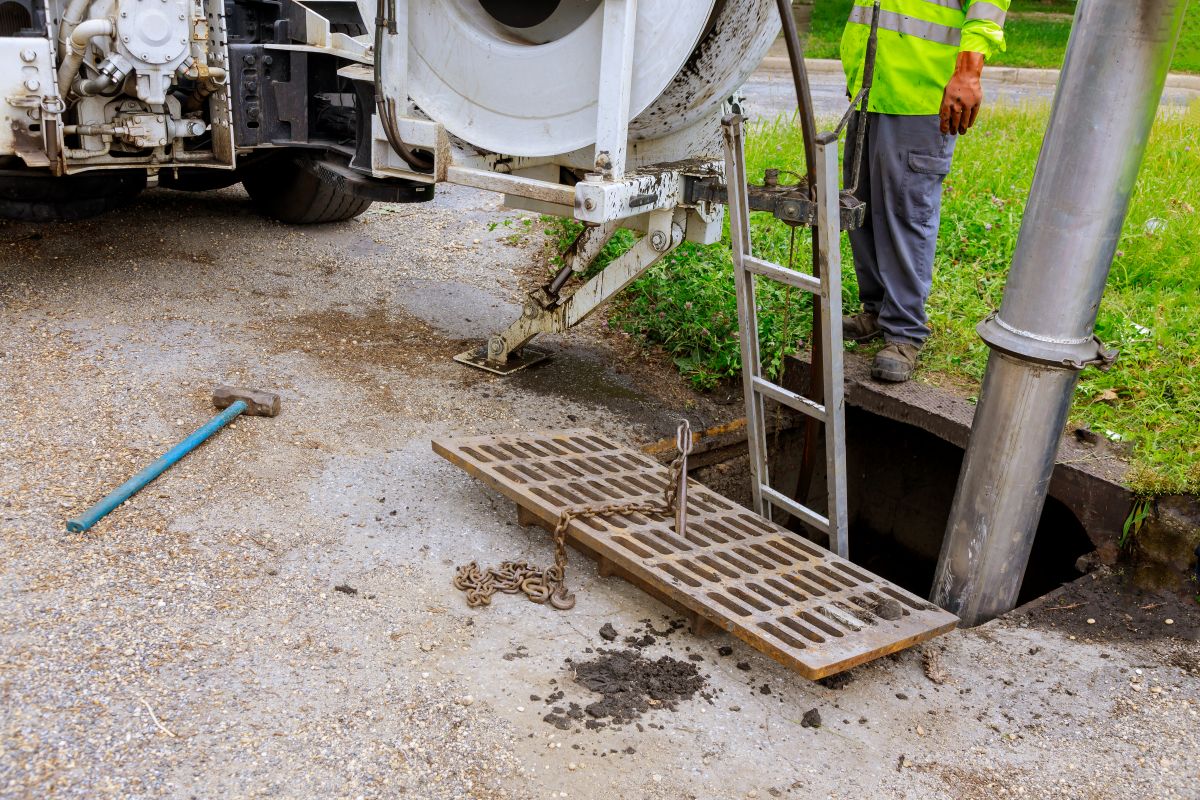
- Area drains & catch basins: Surface inlets tied to pipe networks where grading alone can’t solve localized ponding.
- Outlet stabilization: Riprap pads, energy dissipators, or level spreaders to prevent erosion where water leaves the system.
- Ditch maintenance & reshaping: Clean, regrade, and armor ditches so they carry stormwater without washing out.
- Sump discharge routing: Tie pump outlets to stable daylights to prevent recirculating water back to the foundation.
Why drainage must be a system, not a single product
Drainage failures usually come from piecemeal fixes—one short splash block here, a shallow trench there—without addressing overall grades, capacity, and outlets. We treat your site as a connected system: roof to ground, ground to swale, swale to pipe or culvert, outlet to stabilized discharge. When each link is sized and sloped correctly, water moves predictably and surfaces last longer.
Our drainage process, step by step
- Assessment & flow mapping
We walk the property during or after rain when possible, map flow paths, test elevations, locate problem soils or spring lines, and note structures, trees, and utilities. - Solution design
We prioritize grading first (the most durable fix), then add drains only where needed. We choose pipe sizes, slopes, and materials based on expected flows and maintenance needs. - Access & protection
Ground protection mats where necessary, silt controls at disturbed soil, and careful trench layout to avoid tree roots and utilities. - Earthwork & shaping
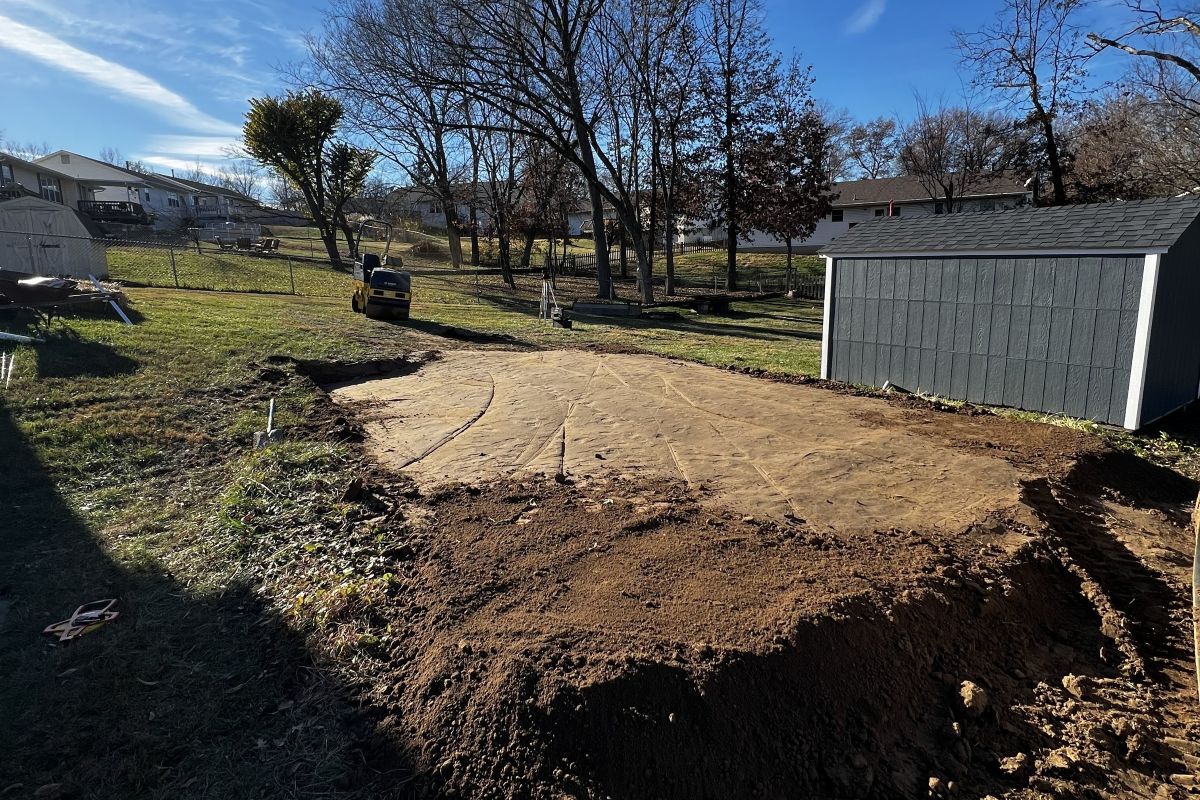
Regrade problem areas, cut swales with stable side slopes, and prepare bedding for pipe runs. - Drain installation
Set perforated or solid pipe at true slope, use washed stone and fabric wraps for French drains, and ensure joints/connections are tight and serviceable. - Culverts & outlets
Install culverts with proper cover, compacted backfill, and aligned inlets/outlets. Stabilize outlet areas with riprap or energy dissipation. - Backfill, finish grade, and stabilization
Backfill in controlled lifts, restore final grades, seed/mulch or blanket disturbed ground, and clean work zones. - Testing & documentation
We water-test critical lines, verify flow, and provide photo documentation on request.
Materials and methods that hold up
- Schedule-40 or SDR-35 PVC for durability and smooth flow; HDPE corrugated where specified.
- #57 or clean stone around perforated sections for high permeability.
- Non-woven geotextile wraps to separate fines from drain stone and prevent clogging.
- Riprap outlet protection sized to velocity to avoid blowout.
- Concrete or polymer basins with bolt-down grates in traffic areas.
Common drainage fixes we deliver
- Regrade yards that pitch toward the house; create swales along property lines.
- Extend and hard-pipe downspouts to daylight or approved storm connections.
- Install French drains to dry out constantly soggy strips, fence lines, or walk edges.
- Replace undersized/failed driveway culverts and reshape ditches for reliable access.
- Add area drains at patio or garage low points and tie to stable outlets.
- Stabilize outlets with riprap so repaired areas don’t erode after the first big storm.
Why choose Mr. G’s for drainage
- Grading-first philosophy saves money and boosts longevity; we only add pipe where it helps.
- Right-sized components matched to real flows—not just what’s on the truck.
- Clean, camera-verified finishes with sensible maintenance guidance.
- Integrated site work so grading, drainage, and road/drive improvements support each other.
- Transparent estimates that spell out scope, pipe sizes, outlet styles, and stabilization.
Maintenance plan for long-term performance
- Keep inlets/outlets clear of leaves and debris—especially before/after major storms.
- Mow/maintain swale vegetation; avoid filling low channels with mulch or soil.
- Inspect driveway culverts annually; flush if flow slows or if sediment accumulates.
- Every 2–3 years, jet or flush French drains if soils are fine-textured or tree roots are present.
- After very heavy weather, walk the system and address any new low spots promptly.
Ready to fix water issues at the source? Call (573) 473-8438 for a drainage assessment and free quote.
FAQs: Drainage Solutions
Do I need a French drain or will grading fix it?
Often, grading alone solves surface water problems. We recommend French drains when groundwater or lateral subsurface flow is the main issue, or when lot lines and hardscapes limit how much we can change the surface slope.
How big should my driveway culvert be?
We size culverts to the expected flow, ditch geometry, and upstream area. Many failures come from undersized or poorly set pipes. Proper bedding, cover, and aligned outlets are just as important as diameter for long-term reliability.
Where should the water go—am I allowed to pipe it to the street?
Discharges must follow local rules and should not create nuisance on neighboring properties. We typically daylight to stable ground with riprap, connect to existing approved storm facilities, or disperse with level spreaders—always choosing the compliant, durable option.


.png)



.jpg)
.jpg)
.jpg)



.jpg)

.jpg)
.jpg)
.jpg)