Hero Subtitle Icon

Service Details

Pad Building

Get a level, compacted building pad at the correct elevation and bearing capacity. We set proper pitch and access so your foundation crew can form and pour without rework.

Service Information

Service Type :

Pad Building

Property Type:

Residential, Commercial, & Municipal

Service Available In:

From Troy to Dardenne Prairie & Winfield to Warrenton

Recommended Maintenance:

Quarterly checks for settlement and ponding; top up and recompact edge protection, and maintain gravel cap for clean, level access.

Service Benefits:

Level, compacted pads at design elevation ensure stable foundations and fewer structural issues.

Pricing:

Contact us for a free quote!

Project Single Image

Pad Building Services — Level, Compacted, Set to Elevation

Stable building pads that protect your foundation and schedule

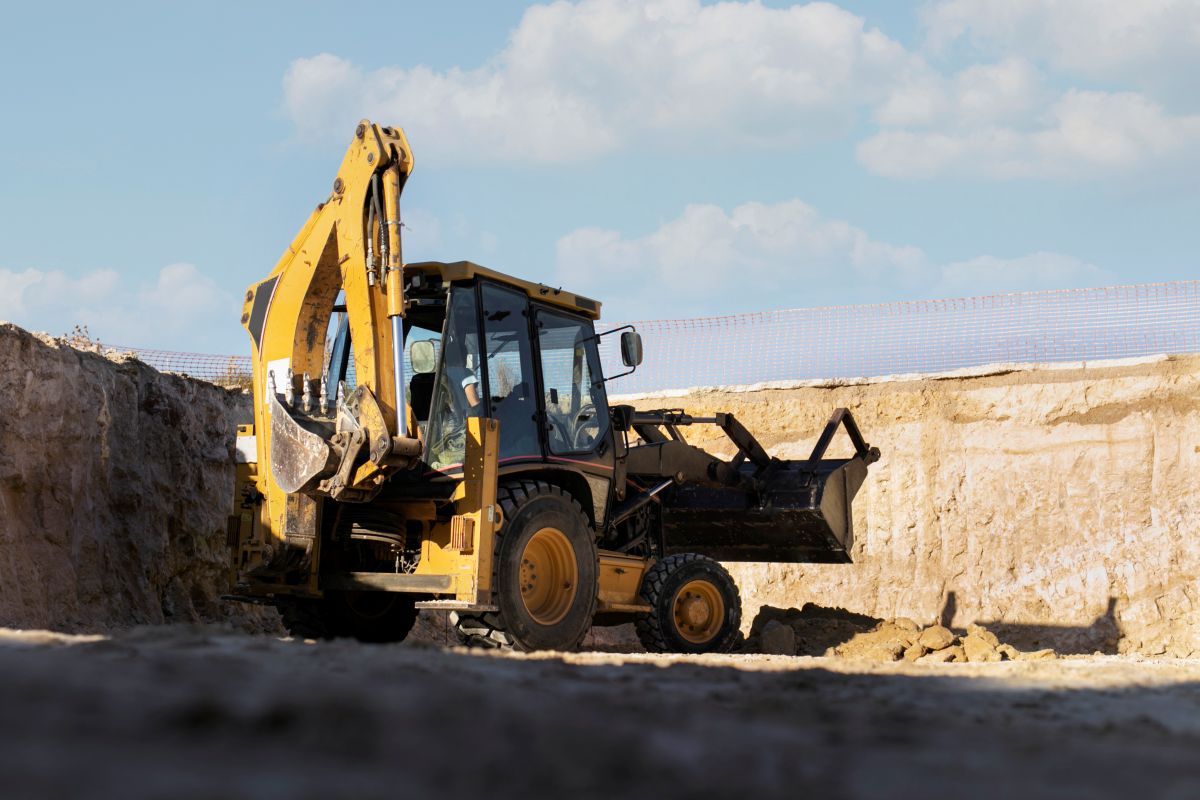
A great project starts with a great pad. Mr. G’s builds level, compacted building pads for homes, shops, barns, additions, and accessory structures that meet design elevation and bearing requirements. Our approach focuses on accurate layout, moisture conditioned fills, lift by lift compaction, and clean tie ins to the surrounding grades so water leaves the pad area and structures sit on stable, long lasting subgrade. With clear sequencing and camera verified results, your concrete crew arrives to a site that is ready for forms, inspections, and pour day.

What is included in professional pad construction

  • Layout coordination with your surveyor or builder to confirm benchmarks and design elevation
  • Subgrade evaluation and proof rolling to locate soft pockets before build up begins
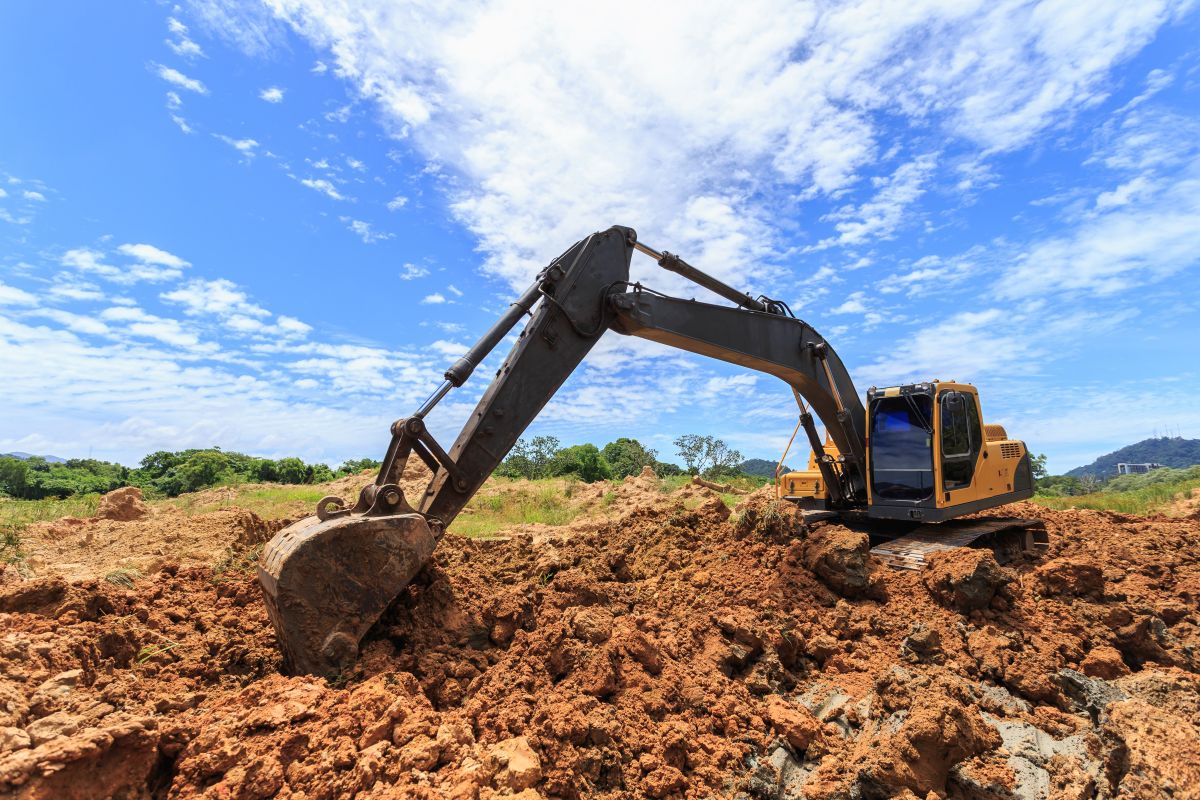
  • Cut and fill to reach design height using on site soils when suitable or imported engineered fill when required
  • Moisture conditioning of fills for consistent density and reduced post construction settlement
  • Compaction in controlled lifts to specified thickness with documented passes and spot checks
  • Edge protection and shoulder build up to prevent sloughing or edge failure during and after construction
  • Pad surface shaping to a gentle plane or specified micro pitch that respects the slab design
  • Transition grading around the pad so surface water moves away from the structure
  • Clean access and staging so concrete trucks, pump rigs, and trades can mobilize efficiently

Why the pad matters more than most people think

A slab performs only as well as the pad beneath it. When fills are not conditioned or compacted correctly, soils consolidate after the structure loads the area and you see cracking, slab curl, door binding, or uneven floors. Proper pad construction solves those problems before they start. Positive drainage around the pad also reduces hydrostatic pressure at the foundation line, protects finishes, and extends the life of adjacent drives and walks.

Our step by step pad building process

  1. Plan alignment and benchmarks
    We review drawings, confirm finished floor and top of slab elevations, set or verify benchmarks, and mark limits of disturbance. Any tree saves, utilities, or septic fields are flagged.
  2. Access setup and protection
    A stabilized entrance reduces mud and track out. Ground protection mats are placed at sensitive entries. Haul and spoil zones are staged to minimize site disturbance.
  3. Subgrade proof roll and corrections
    We run a loaded machine across the work area to identify soft zones. Weak pockets are scarified, dried or moisture conditioned, and recompacted. If soils are unsuitable, we over excavate and rebuild with engineered fill.
  4. Cut and fill to rough elevation
    Cuts are made cleanly and fills are placed in thin, controlled lifts. We balance soils on site when feasible to reduce trucking.
  5. Moisture conditioning and compaction
    Each lift is brought to target moisture then compacted to the specified density. We document the sequence and can coordinate density testing where required by spec.
  6. Edge protection and shoulders
    We extend compacted material beyond the pad footprint and shape stable shoulders. This prevents edge breakdown from traffic or weather.
  7. Final trimming and finish surface
    The pad is trimmed to elevation and planarity. Where the design calls for micro pitch, we set the surface so water cannot sit against forms.
  8. Transition grading and drainage
    Surrounding grades are shaped to move water away from the pad. Swales are formed as needed and tie into site drainage features.
  9. Turnover and documentation
    Work zones are broom clean. We provide before and after photos on request and review any inspection notes with your team.

Materials and methods that perform in Missouri conditions

  • Engineered fill for areas of over excavation or poor native soils
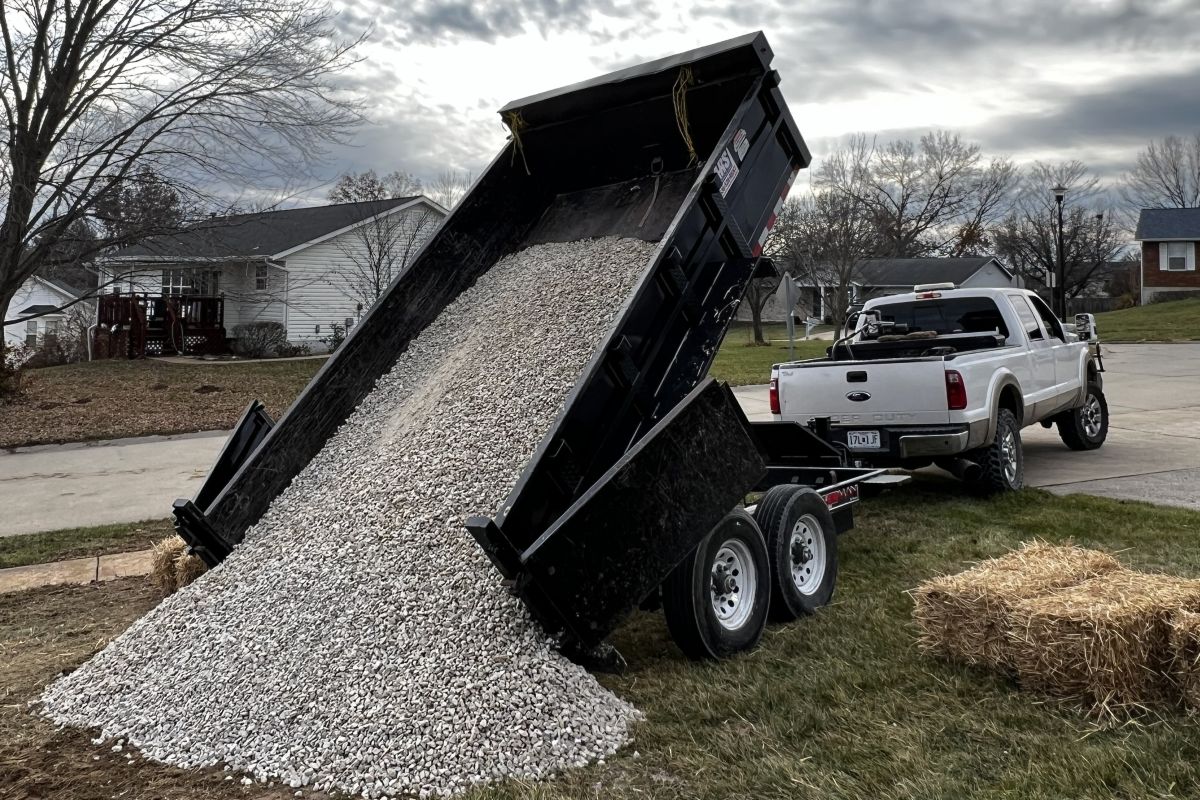
  • Graded aggregate base for working platforms where wet conditions persist
  • Moisture control using aeration, water addition, or lime treatment depending on soil type and project requirements
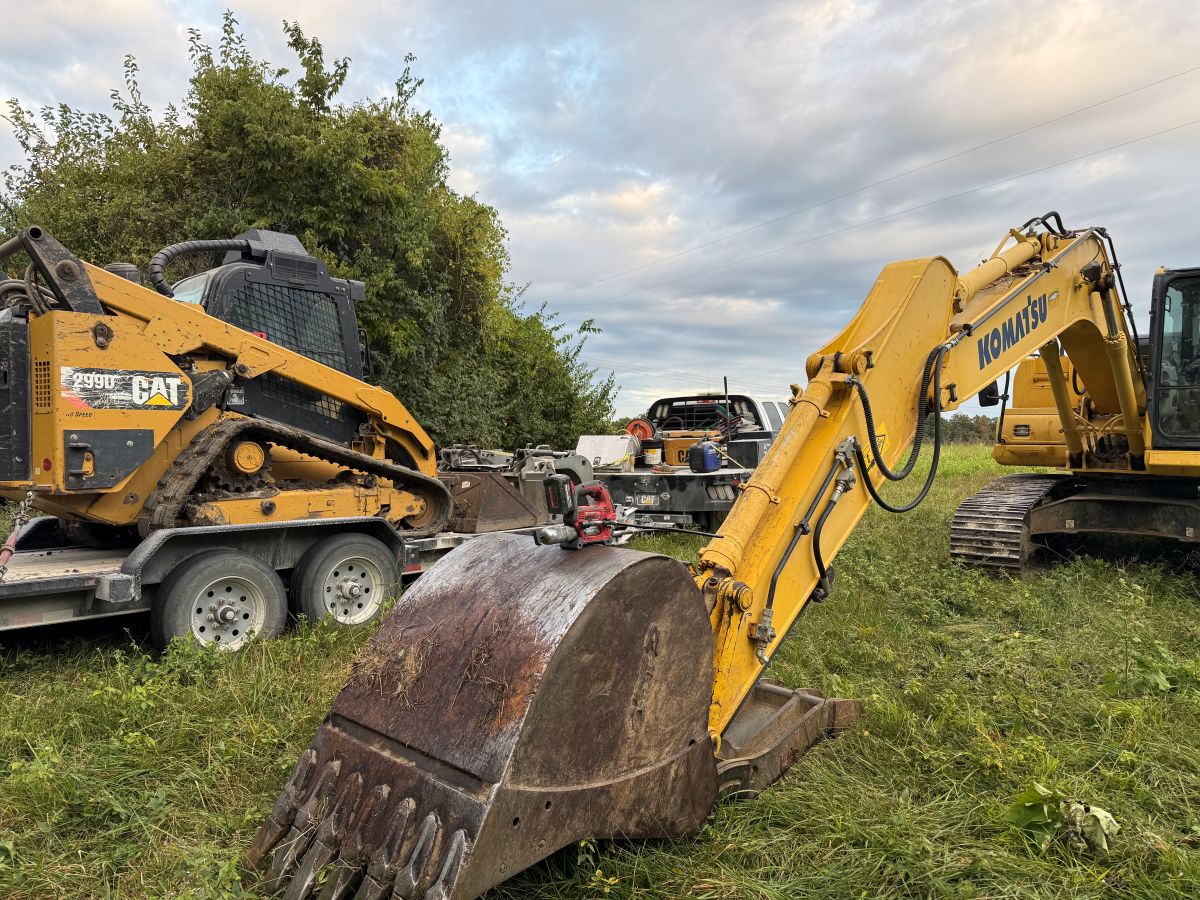
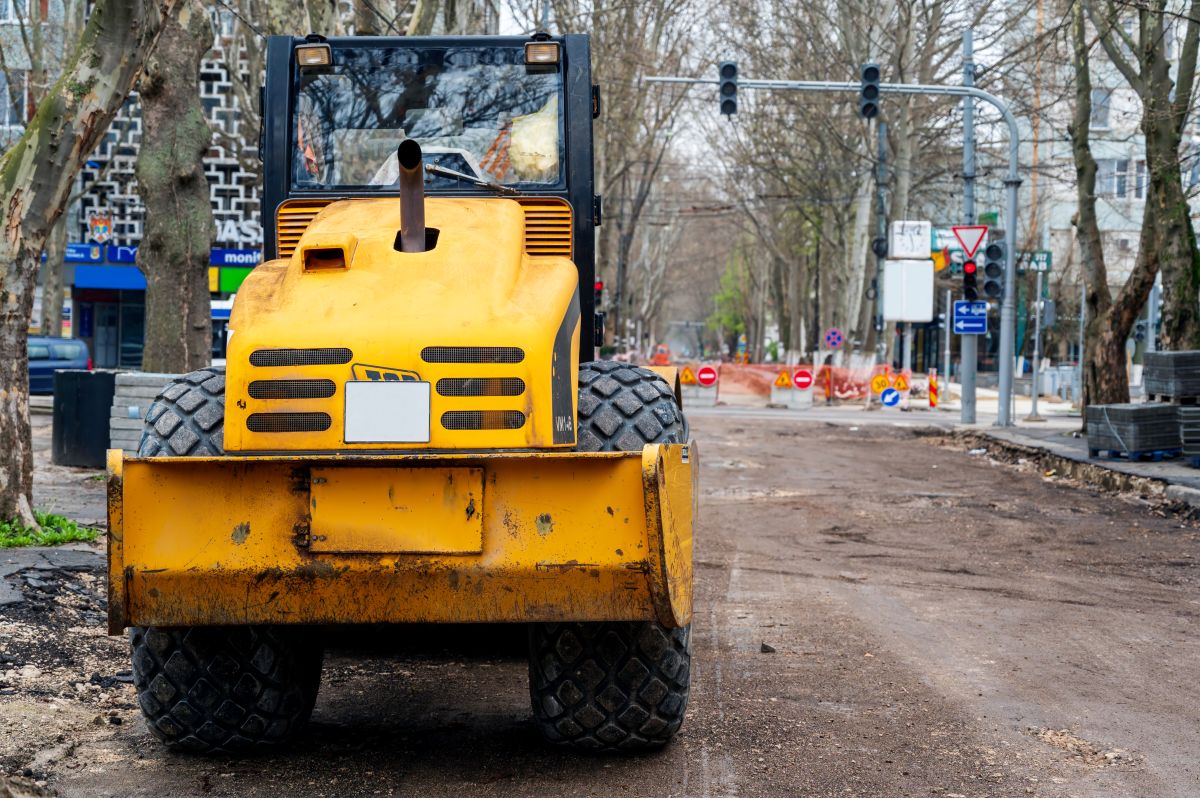
  • Compaction equipment matched to the lift such as smooth drum rollers, padfoot rollers, or plate compactors for tight areas
  • Erosion controls that protect open soils until the structure and hardscapes are in place

Common pad projects we deliver

  • Single family home pads and addition tie ins
  • Pole barn, metal building, and shop pads with heavy duty access
  • RV, boat, or equipment slab bases with proper subgrade and edge support
  • Storage building and ADU pads that meet local elevation constraints
  • Patio and amenity pads that require flat, durable bases for pavers or stamped concrete

Coordination with other trades

We set the pad so the concrete crew can mobilize without rework, the utility installer can trench and backfill cleanly, and the grading team can tie final grades without creating birdbaths. If your engineer requires density verification, we coordinate the testing schedule and address any punch items immediately. That coordination keeps inspections smooth and pour dates reliable.

What affects price and schedule

Access, soil quality, elevation change, import requirements, weather windows, testing, and site protection all influence cost and duration. Your written estimate outlines assumptions, materials, and potential variables so you have clarity before we start. If hidden conditions appear, we propose practical fixes with transparent pricing and proceed only with your approval.

Ready for a foundation friendly building pad

Tell us your target elevation, slab design, and any concerns about soils or water. We will deliver a pad that meets spec, protects your schedule, and sets the rest of the project up for success.

Call (573) 473 8438 for a pad building assessment and free quote.

FAQs: Pad Building

Do I need engineered fill for my pad

Not always. If native soils meet bearing requirements and can be moisture conditioned and compacted properly, we can build with on site material. Where soils are unsuitable or over excavation is required, we use engineered fill and compact in lifts to meet spec.

How do you keep the pad from settling after construction

We proof roll the subgrade, moisture condition fills, and compact each lift to the specified density. Soft zones are corrected before the next lift. Shoulders are extended and compacted to support the edge. These steps minimize post construction consolidation.

What if my lot is flat and holds water around the pad

We shape gentle transition grades and, where needed, add swales or connect to culverts or a French drain so water moves away from the structure. The goal is reliable positive drainage that protects the slab and adjacent surfaces.

Hero Subtitle Icon

Contact Form

Get A Free Quote

Thank you! Your submission has been received!
Oops! Something went wrong while submitting the form.